
Artists
Geoffrey Holder’s Other Stage Was the Canvas
North Miami’s new Black Magic survey puts the painter behind The Wiz at the centre. More than sixty works reveal a visual practice that fame in other fields can obscure.
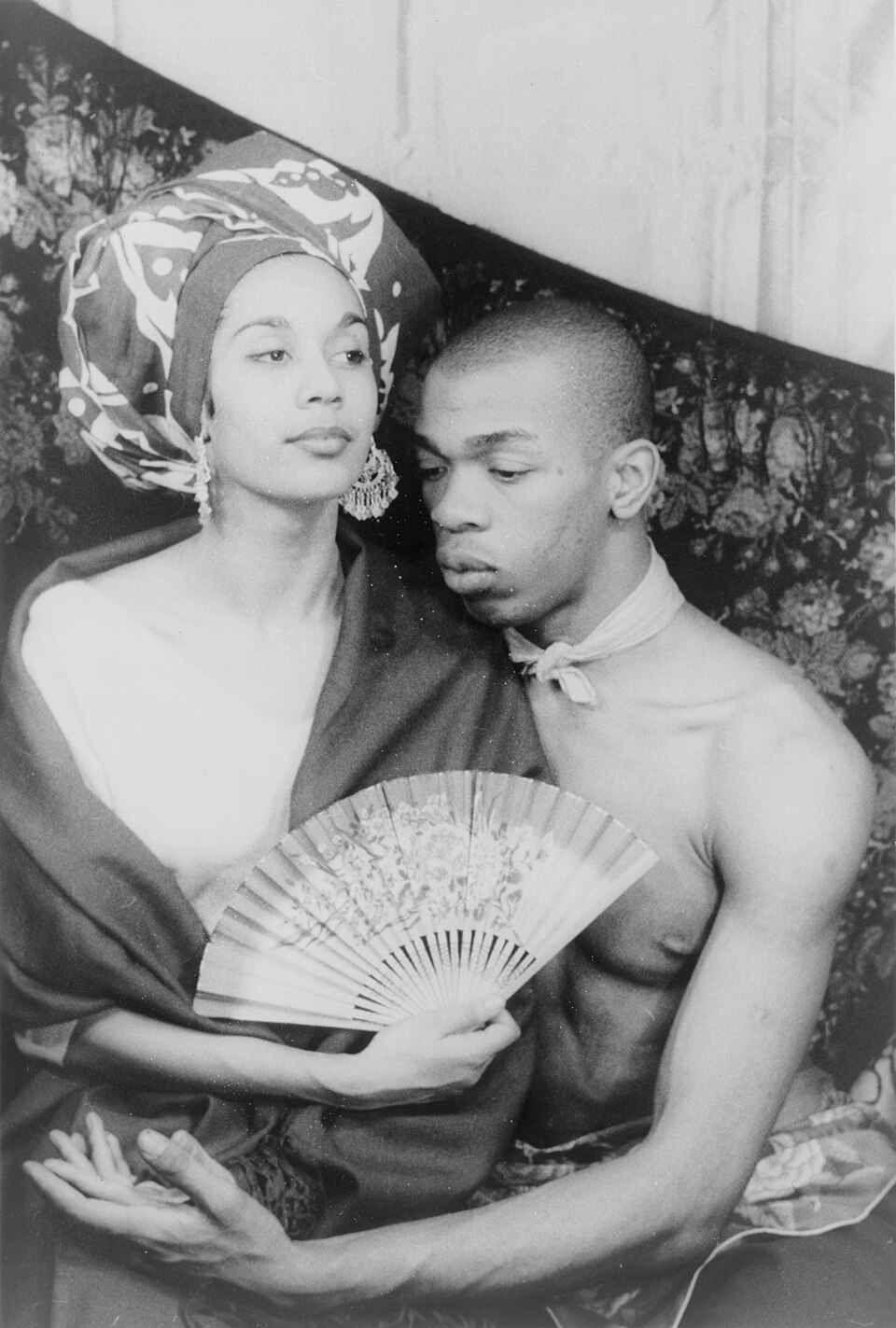
A yellow dress, a waiting dancer, a body at rest: the titles in Geoffrey Holder: Black Magic point towards lives that continue beyond a spotlight. Now on view at the Museum of Contemporary Art, North Miami, the exhibition makes a sustained case for looking at Holder as a visual artist.
The museum dates the show from 18 November 2026 to 4 April 2027 and describes it as his first major museum survey. Holder died in 2014, leaving more than 250 paintings and 300 collages, alongside drawings, sculptures, photographs and designs. The size of that surviving practice challenges the idea of painting as an occasional diversion.
Fame can make an artist harder to see
Holder’s achievements on stage offer a familiar route into his career. He won Tony Awards for directing and costume design for the original Broadway production of The Wiz in 1975. Yet recognition in one field can become a filter through which everything else is viewed. A canvas risks becoming an illustration of a famous performer’s personality rather than a work demanding its own attention.
Guest curator Erica Moiah James brings together more than sixty works, including paintings, drawings, collages and sculpture. The five sections range from portraits and figure studies to the sacred and profane. That structure offers several entrances into the work rather than a single celebrity biography.
Look at what the materials do
The museum’s image captions provide useful starting points. Woman in Yellow (1985) combines oil, pastel crayon and China marker on canvas. Waiting for the Dance (2001) uses the same listed media on Masonite. The Dip, dated around 1990, is oil with varnish on board. These are specific decisions about surfaces and marks, not simply evidence of a second occupation.
They suggest a productive viewing exercise: follow a line, then ask whether it describes a body, creates rhythm or gives a figure weight. A dancer’s experience may be relevant, but it need not supply the answer to every painted gesture. The exhibition can be approached as an opportunity to let the objects complicate the reputation.
Reconsidering the archive
In Vogue’s preview, Holder’s son Leo says painting came first and describes canvases continually in progress. That family perspective helps explain the show’s corrective ambition. It does not remove the need to assess each work; it makes the habit of separating a public career from private studio labour less convincing.
The museum frames Blackness and magic as terms to reclaim through Holder’s work, whose subjects were predominantly Black. For an audience encountering these pictures now, the question is also institutional: which part of a many-sided career receives a museum’s space and sustained attention?
Black Magic offers a chance to change the order of recognition. The famous name may bring viewers through the door. The paintings should determine what they notice next.
Sources
- MOCA North Miami: exhibition, dates and artwork captions
- Greater Miami Convention & Visitors Bureau: curator, selection and Broadway background; use MOCA for dates
- Vogue, 13 November 2026: interview with Leo Holder
Image credit: Carl Van Vechten, Geoffrey Holder and Carmen de Lavallade, 3 March 1955. Library of Congress, LC-USZ62-114442, via Wikimedia Commons. Original record; public-domain status / no known copyright restrictions. Archival portrait, not an exhibition view. Resized; previews may be cropped.


